For most travelers, the best time to visit Morocco is during spring or autumn, when temperatures are generally more comfortable for exploring cities, crossing mountain regions and traveling toward the Sahara Desert.
But Morocco does not have one single travel season.
The country stretches from the Mediterranean and Atlantic coasts to the Atlas Mountains and the desert landscapes of southeastern Morocco. Weather conditions in Marrakech can be very different from what you experience in Merzouga, Imlil, Chefchaouen or Essaouira during the same trip.
This means the best time to go to Morocco depends on where you want to travel and what you want to experience.
Spring and autumn are excellent for travelers planning a complete Morocco itinerary. Summer can work particularly well for the Atlantic coast and some mountain destinations, while winter can be an interesting time for cultural sightseeing if you are prepared for cooler evenings.
In this guide, we look at Morocco weather by month, the country's main seasons and the best travel periods for Marrakech, the Sahara Desert, Atlas Mountains and Atlantic coast.
What Is the Best Time to Visit Morocco?
For travelers visiting several regions, March to May and September to November are among the most practical periods to consider.
Spring brings warmer days after winter while avoiding the strongest summer heat. It is a good period for combining historic cities, mountain landscapes and routes through southern Morocco toward the Sahara Desert.
Autumn offers a similar advantage. Temperatures begin to become more comfortable after summer, making road trips, sightseeing and desert experiences easier to enjoy.
However, there is no single perfect season for every traveler. Someone planning a coastal holiday may choose different dates from a traveler whose main goal is exploring Merzouga and the Erg Chebbi dunes.
The best approach is to consider the destinations in your itinerary first and then choose the season that works best for those regions.
- March to May for spring travel
- September to November for autumn travel
- Summer for travelers focusing more on the Atlantic coast
- Winter for cultural sightseeing and cooler daytime conditions
What Is the Best Month to Visit Morocco?
If you are looking for the best month to visit Morocco, April, May and October are excellent options for many multi-destination itineraries.
These months generally avoid the strongest part of the summer heat while providing useful conditions for sightseeing, road trips and travel through southern Morocco.
March and November can also be attractive, especially for travelers who prefer cooler conditions or want to travel outside the busiest holiday periods.
The important thing to remember is that Morocco's climate changes significantly by region. A comfortable afternoon on the Atlantic coast does not necessarily reflect conditions in Marrakech or the Sahara.
Instead of choosing your travel month based on one national weather average, consider the places you actually want to visit.
Best Time of Year to Visit Morocco by Season
Understanding Morocco's four seasons makes it easier to decide when to visit.
Each season offers different advantages depending on whether your itinerary focuses on cities, mountains, desert landscapes or the Atlantic coast.
Spring in Morocco: March to May
Spring is one of the most versatile times of year to travel around Morocco.
Temperatures become warmer without immediately reaching the strongest summer heat, making it easier to spend long periods exploring cities and outdoor destinations.
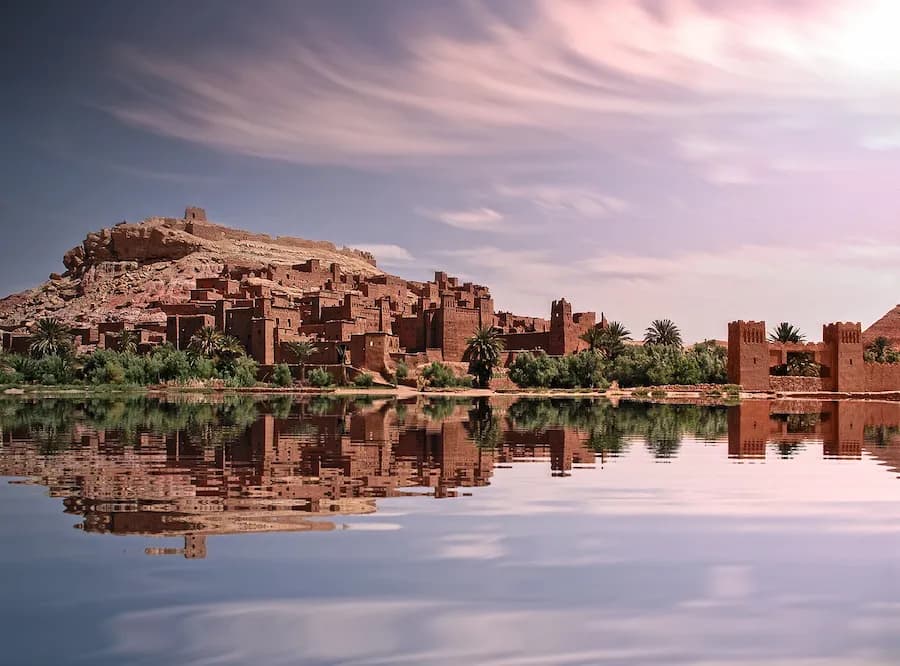
Spring works especially well for travelers combining Marrakech with the High Atlas Mountains, Ait Ben Haddou, Dades Valley, Todra Gorges and Merzouga.
The season is also attractive for mountain day trips because valleys and rural landscapes can feel very different from the dry conditions found later in summer.
If a Sahara journey is one of the main reasons for your trip, spring is one of the first periods worth considering.
- Good season for Marrakech sightseeing
- Comfortable period for Sahara routes
- Excellent for Atlas Mountain landscapes
- Useful for multi-day road trips
- Good balance between cities and outdoor experiences
Summer in Morocco: June to August
Summer requires more careful itinerary planning, particularly if you intend to travel through inland and southern Morocco.
Marrakech and desert regions can become very hot during the middle of the day, so sightseeing schedules often work better with earlier starts and slower afternoons.
The Atlantic coast follows a different pattern. Coastal destinations can feel more moderate than inland cities because of the influence of the ocean.
Mountain destinations can also provide a useful contrast to the heat of Marrakech.
Summer does not mean you should avoid Morocco completely. It simply means your route should match the season instead of following exactly the same itinerary you might choose in April or October.
- Plan outdoor sightseeing earlier in the day
- Allow more time for breaks
- Consider Atlantic coastal destinations
- Include Atlas Mountain escapes
- Prepare carefully before traveling deep into the Sahara
Autumn in Morocco: September to November
Autumn is another strong answer to the question of when is the best time to visit Morocco.
September can still feel warm, especially during the first part of the month, but conditions generally become more comfortable as the season continues.
October is particularly attractive for travelers combining Marrakech, mountain scenery and the Sahara Desert.
November brings cooler days and noticeably cooler nights, but it can still be an excellent period for sightseeing and private tours.
For travelers who want to cross Morocco on a longer route, autumn provides a useful balance between warm days and more manageable temperatures.
- Excellent for desert tours
- Good for Marrakech and Fes sightseeing
- Comfortable for long-distance private tours
- Useful for combining several regions
- Cooler evenings later in the season
Winter in Morocco: December to February
Winter is often overlooked by travelers planning a trip to Morocco.
It can be a very good period for cultural sightseeing, particularly if you prefer exploring cities without intense summer temperatures.
However, evenings can become cold and temperatures vary considerably between regions.
The Sahara is an important example. Desert days may feel comfortable, but temperatures can drop significantly after sunset.
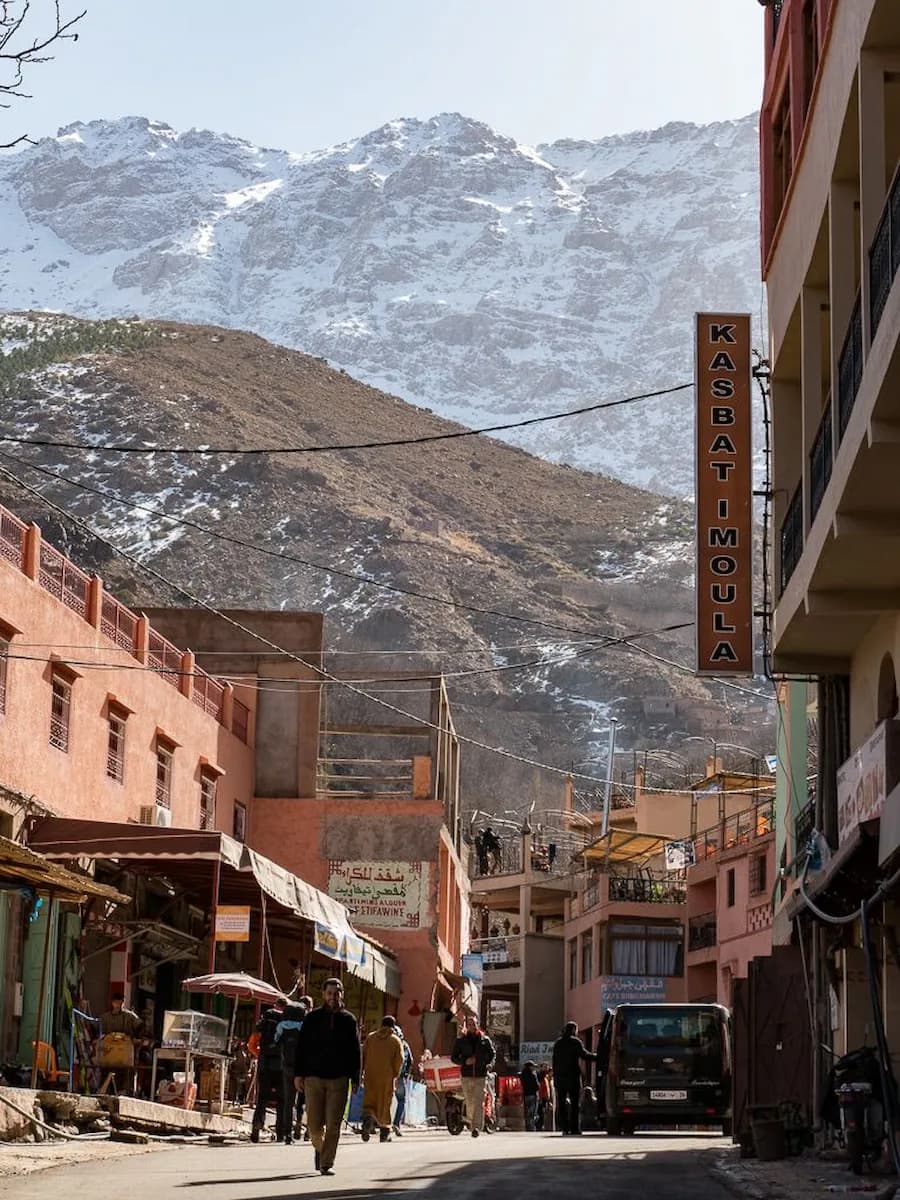
Higher parts of the Atlas Mountains can experience cold weather and snow, so mountain activities require more preparation during winter.
If you travel during this season, pack layers instead of assuming that Morocco will be warm everywhere.
Morocco Weather by Month
Looking at Morocco weather by month can help you narrow down your travel dates.
These monthly descriptions should be used as general planning guidance rather than as one weather forecast for the entire country.
Conditions vary between Marrakech, the Atlantic coast, northern Morocco, the Atlas Mountains and the Sahara Desert.
Morocco in January
January is one of the cooler months in Morocco.
Marrakech and other lower-elevation destinations can offer comfortable conditions for sightseeing during the day, while mornings and evenings may feel considerably colder.
The Atlas Mountains can experience winter conditions, and travelers visiting Merzouga should prepare for cold desert nights.
January can suit travelers who prioritize cultural sightseeing and prefer avoiding hot weather.
Morocco in February
February remains relatively cool but begins the gradual transition toward spring.
It can be an enjoyable month for visiting historic cities and taking private road trips if you prefer moderate daytime conditions.
Mountain areas can remain cold, while warm layers are still important for evenings in the Sahara.
Toward the end of the month, lower regions may begin to feel increasingly spring-like.
Morocco in March
March marks an important seasonal transition and is one of the most interesting months for traveling around Morocco.
Temperatures become milder in many regions and multi-destination itineraries become increasingly attractive.
March can work particularly well for Marrakech, the Atlas Mountains and early spring journeys toward Merzouga.
It is a useful choice for travelers who want to combine cultural sightseeing with outdoor landscapes before summer temperatures arrive.
Morocco in April
April is one of the strongest all-round months for visiting Morocco.
It works well for city sightseeing, Atlas Mountain excursions and routes through southern Morocco toward the Sahara Desert.
Spending time outdoors is generally more comfortable than during midsummer, which matters when your itinerary includes medinas, viewpoints, valleys and desert activities.
April is particularly attractive for a first journey that covers several different parts of Morocco.
Morocco in May
May remains an excellent travel month, although temperatures begin rising as summer approaches.
The month works well for Marrakech, mountain routes and southern Morocco, particularly earlier in the season.
Travelers heading toward Merzouga should expect warmer daytime conditions than in March or April, but May can still offer a good balance for a Sahara journey.
It is also a useful month for combining inland destinations with the Atlantic coast.
Morocco in June
June begins the transition into the hotter part of the year.
The Atlantic coast becomes increasingly attractive while inland cities and southern regions become noticeably warmer.
Cultural sightseeing and private tours are still possible, but the structure of your day becomes more important.
Earlier starts, comfortable transportation and breaks during the hottest hours can make the journey much more enjoyable.
Morocco in July
July is one of the hottest periods for inland and southern Morocco.
Travelers staying in Marrakech should plan outdoor sightseeing carefully rather than filling every afternoon with long walks.
The coast and some mountain regions can be more attractive for travelers visiting during midsummer.
A Sahara journey remains possible, but July would not normally be the first choice for someone whose main priority is spending long periods outside in the desert.
Morocco in August
August follows a similar pattern to July, with strong heat across many inland and southern destinations.
Coastal areas and mountain escapes can fit more naturally into an August itinerary than long periods in desert regions.
If August is the only month you can travel, Morocco can still offer an excellent trip.
The key is to build the journey around summer conditions instead of expecting the same experience you would have in spring or autumn.
Morocco in September
September is a transition month between summer and autumn.
The beginning of the month can still feel hot, particularly inland, while conditions generally become more comfortable later in the month.
It can be a useful period for travelers who want to combine cities, mountain landscapes and longer road trips.
For Sahara travel, late September becomes increasingly attractive as the strongest summer heat begins to ease.
Morocco in October
October is one of the best months for a broad Morocco itinerary.
It is particularly well suited to routes combining Marrakech, the High Atlas Mountains, southern Morocco and Merzouga.
Historic cities can also be easier to explore when you are not organizing the entire sightseeing day around extreme heat.
Travelers continuing from the Sahara toward Fes can combine desert travel with the Ziz Valley and Middle Atlas Mountains as part of a larger cross-country journey.
Morocco in November
November brings cooler days and increasingly cool evenings.
It remains an interesting month for cultural sightseeing, road trips and desert travel.
Packing layers becomes more important because temperatures can change significantly between Marrakech, mountain areas and the Sahara.
November can appeal to travelers who want comfortable daytime exploration without visiting during the hotter months.
Morocco in December
December can combine comfortable daytime sightseeing in lower-elevation destinations with much cooler evenings.
It can be a rewarding month for Marrakech, cultural travel and private Morocco tours.
Mountain areas may experience winter conditions, while nights in the Sahara can feel cold.
Travelers should pack for several climates rather than assuming that winter in Morocco means warm weather everywhere.
Best Time to Visit Marrakech
Spring and autumn are excellent periods for visiting Marrakech because they provide more comfortable conditions for exploring the city outdoors.
March through May works well for walking through the medina, discovering traditional markets and combining Marrakech with nearby mountain destinations.
September through November provides another strong travel window after the hottest part of summer.
Winter can also be attractive if you prefer cooler sightseeing conditions, although mornings and evenings may require warmer clothing.
Summer visitors should plan earlier sightseeing, slower afternoons and occasional trips outside the city to mountain or countryside destinations.
Best Time to Visit the Sahara Desert in Morocco
Spring and autumn are among the most practical seasons for visiting the Sahara Desert.
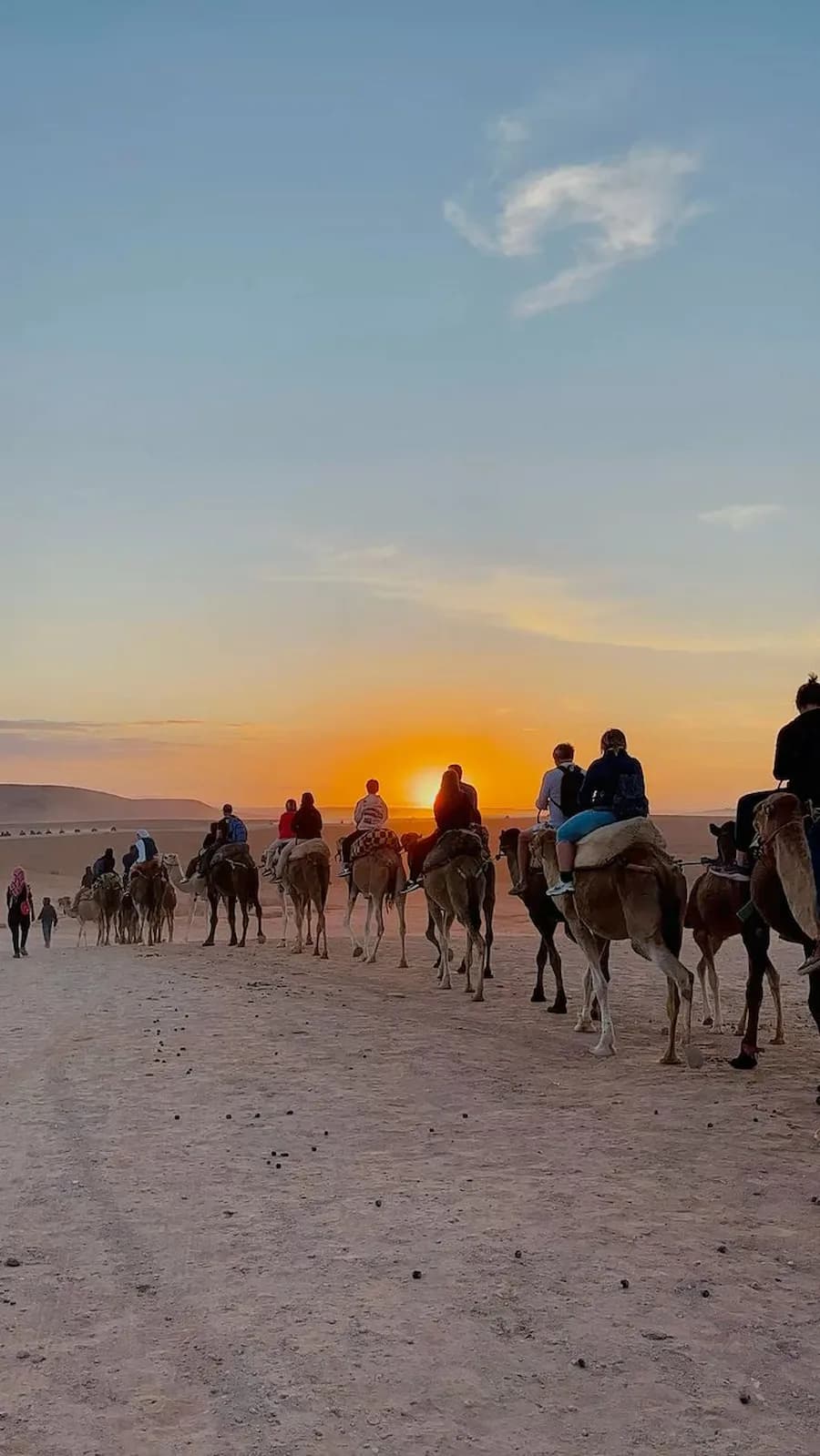
A Sahara experience involves more than simply reaching Merzouga. You may spend time around the Erg Chebbi dunes, take a camel ride, watch the sunset and stay overnight at a desert camp.
Moderate conditions make these outdoor experiences easier to enjoy.
Summer can become extremely hot in southeastern Morocco, while winter creates the opposite challenge with cold desert evenings and nights.
March to May and September to November are therefore useful periods to consider if Merzouga is one of the main destinations in your Morocco itinerary.
- March to May for spring Sahara travel
- September to November for autumn Sahara travel
- Prepare for hot conditions during summer
- Bring warm layers for winter desert nights
Best Time for a Morocco Desert Tour
If a multi-day Sahara journey is one of the main reasons you are visiting Morocco, spring and autumn provide a good starting point when choosing your dates.
A typical route from Marrakech crosses several different environments before reaching Merzouga.
The journey can include the High Atlas Mountains, Ait Ben Haddou, Ouarzazate, Dades Valley and Todra Gorges before the landscape opens toward the Sahara.
Weather affects the whole road trip, not only your night in the desert.
The duration of the tour also matters. A three-day itinerary is practical for travelers with limited time, while four or five days can create a slower journey and divide long driving stages more comfortably.
Best Time to Visit the Atlas Mountains
The best time to visit the Atlas Mountains depends on altitude and the type of experience you want.
Spring is particularly attractive for mountain valleys, traditional villages and outdoor landscapes.
Early summer can also work well for travelers looking for an escape from hotter inland cities.
Autumn provides another comfortable period for many lower and mid-altitude routes.
Winter requires more preparation because higher elevations can experience cold weather, snow and changing road or trail conditions.
Travelers visiting mountain villages such as Imlil should distinguish between a relaxed sightseeing excursion and serious high-altitude trekking, which requires more detailed planning.
Best Time to Visit Morocco's Atlantic Coast
Morocco's Atlantic coast follows a different seasonal rhythm from the interior.
Ocean influence generally keeps coastal destinations more moderate than inland locations, which can make the coast attractive during summer.
Spring and autumn remain excellent choices because they allow travelers to combine coastal destinations with Marrakech, mountains and other regions.
Winter can also work well for travelers interested in relaxed coastal sightseeing rather than a traditional hot-weather beach holiday.
This regional difference is one reason the best time of year to visit Morocco cannot be determined from one national temperature figure.
What Is the Cheapest Time to Visit Morocco?
There is no single month that is always the cheapest time to visit Morocco.
Flight prices, accommodation rates and travel demand can change according to your departure country, holidays, local events and how early you book.
Instead of selecting travel dates simply because a month is described as cheap, compare the total cost of the trip.
A lower accommodation price does not necessarily represent better value if weather conditions make the experiences you want less enjoyable.
Travelers with flexible dates can compare periods outside major holiday weeks and then balance price with the weather conditions they prefer.
When Should You Avoid Visiting Morocco?
There is no month when the entire country needs to be avoided.
A better question is whether a particular region is suitable for your plans during a specific season.
If your dream trip focuses heavily on outdoor Sahara experiences, midsummer may not be the most comfortable choice.
If your priority is high-altitude trekking in the Atlas Mountains, winter conditions may require additional preparation or affect certain routes.
Travelers who dislike strong heat but can only visit during July or August may prefer to spend more time on the Atlantic coast or in mountain regions.
Successful Morocco travel planning is about adapting the itinerary to the season instead of expecting every destination to have the same conditions.
What to Pack for Morocco in Different Seasons
Because Morocco includes several climate zones, packing versatile clothing is more useful than preparing for one type of weather.
Even during warmer months, a light additional layer can be useful for mountain areas, early mornings or evenings.
Winter travelers should prepare more carefully for colder temperatures, especially if the itinerary includes the Atlas Mountains or Sahara Desert.
Comfortable walking shoes are useful throughout the year because many Morocco itineraries involve medinas, villages, viewpoints and outdoor stops.
- Comfortable walking shoes
- Lightweight daytime clothing
- Sun protection
- Sunglasses
- Light jacket or additional layer
- Warmer clothing for winter desert nights
- Small day bag
- Reusable water bottle
- Personal medication
So, When Is the Best Time to Go to Morocco?
For most first-time visitors exploring several regions, spring and autumn provide the strongest overall balance.
Choose March to May if you want spring landscapes, comfortable sightseeing and a good season for traveling toward the Sahara.
Choose September to November if you prefer an autumn journey after the strongest summer heat.
Choose winter if cultural sightseeing is your priority and you do not mind cooler mornings, evenings and desert nights.
Choose summer if your itinerary focuses more heavily on coastal destinations, mountain escapes or travel plans that can be organized around hotter conditions.
Ultimately, the best time to travel to Morocco is the period that matches the experiences you care about most. Decide where you want to go first, then build the season and itinerary around those destinations.
FAQ
Frequently Asked Questions
When is the best time to visit Morocco?
+
For a trip covering several regions, spring from March to May and autumn from September to November are generally strong choices. These periods work especially well for combining cities, mountain landscapes and Sahara travel.
What is the best month to visit Morocco?
+
April, May and October are excellent months to consider for a broad Morocco itinerary. The ideal month still depends on whether your trip focuses on Marrakech, the Sahara Desert, Atlas Mountains, northern Morocco or the Atlantic coast.
What is a good time to go to Morocco for the Sahara Desert?
+
Spring and autumn are among the most comfortable periods for many Sahara travelers. These seasons avoid much of the intense summer heat while providing suitable conditions for exploring Merzouga, enjoying the Erg Chebbi dunes and spending time outdoors.
Is Morocco worth visiting in winter?
+
Yes. Winter can be an excellent time for cultural sightseeing and city exploration. Travelers should prepare for cooler evenings, cold desert nights and possible winter conditions in higher parts of the Atlas Mountains.